Introduction
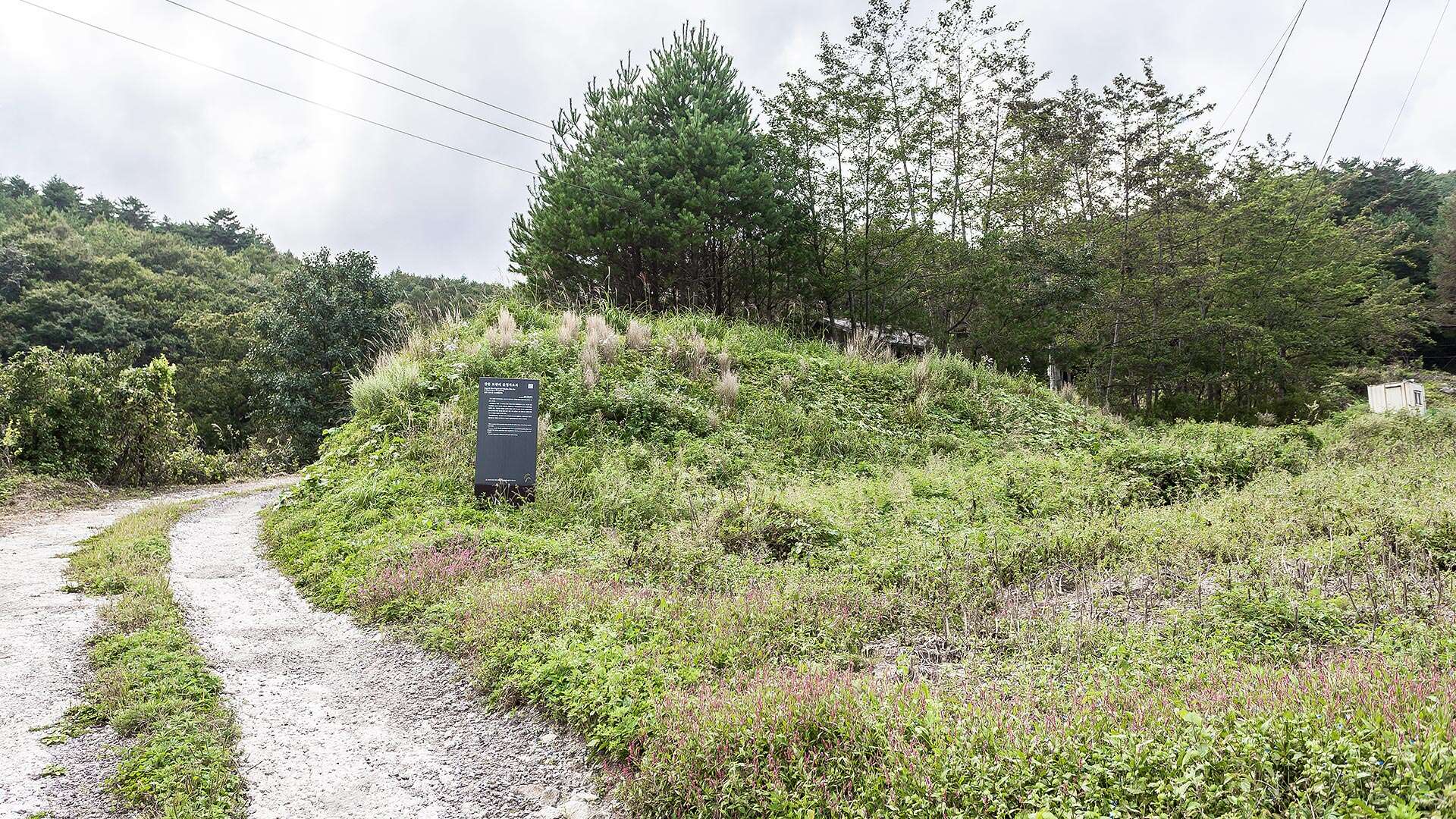
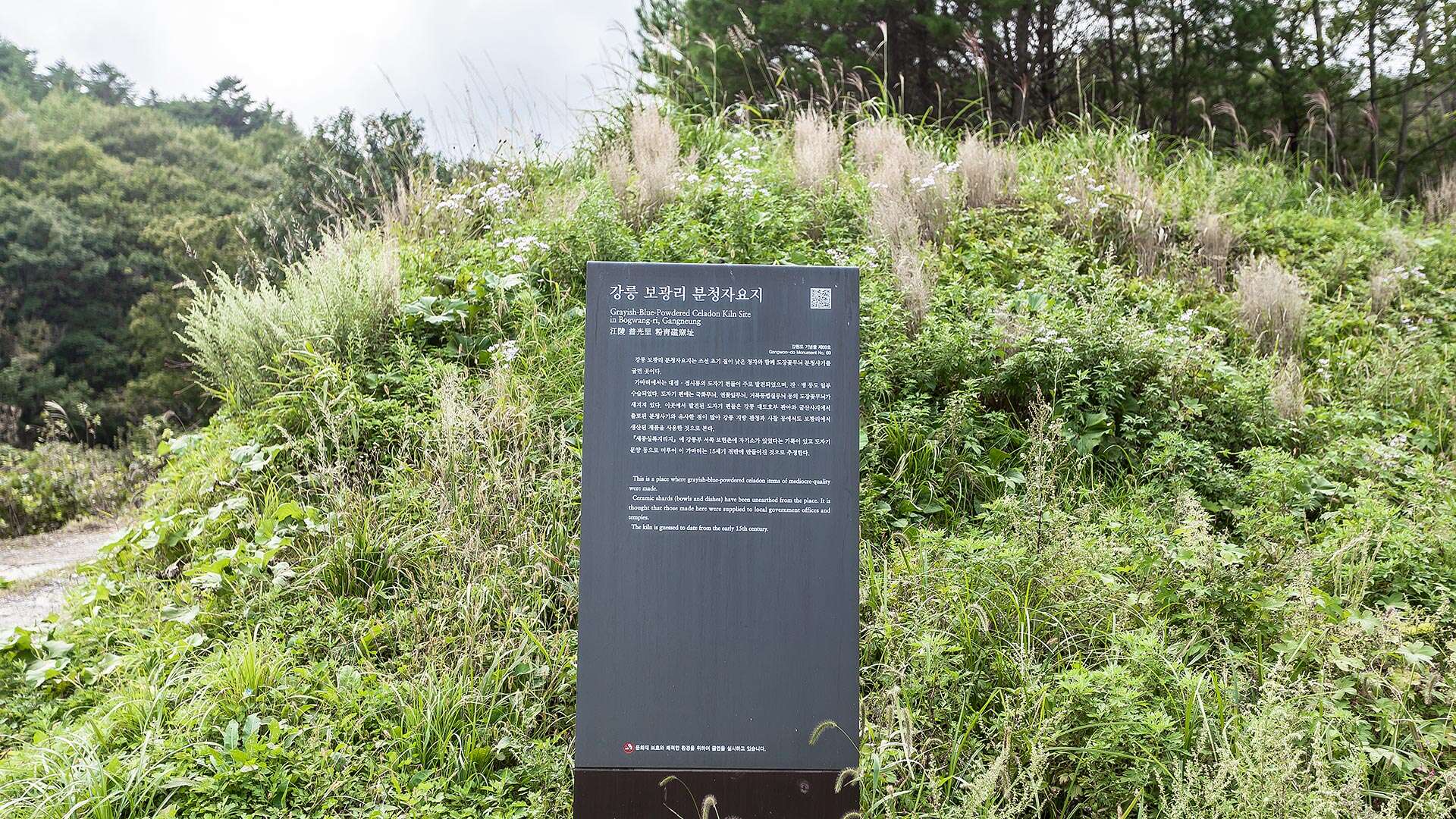
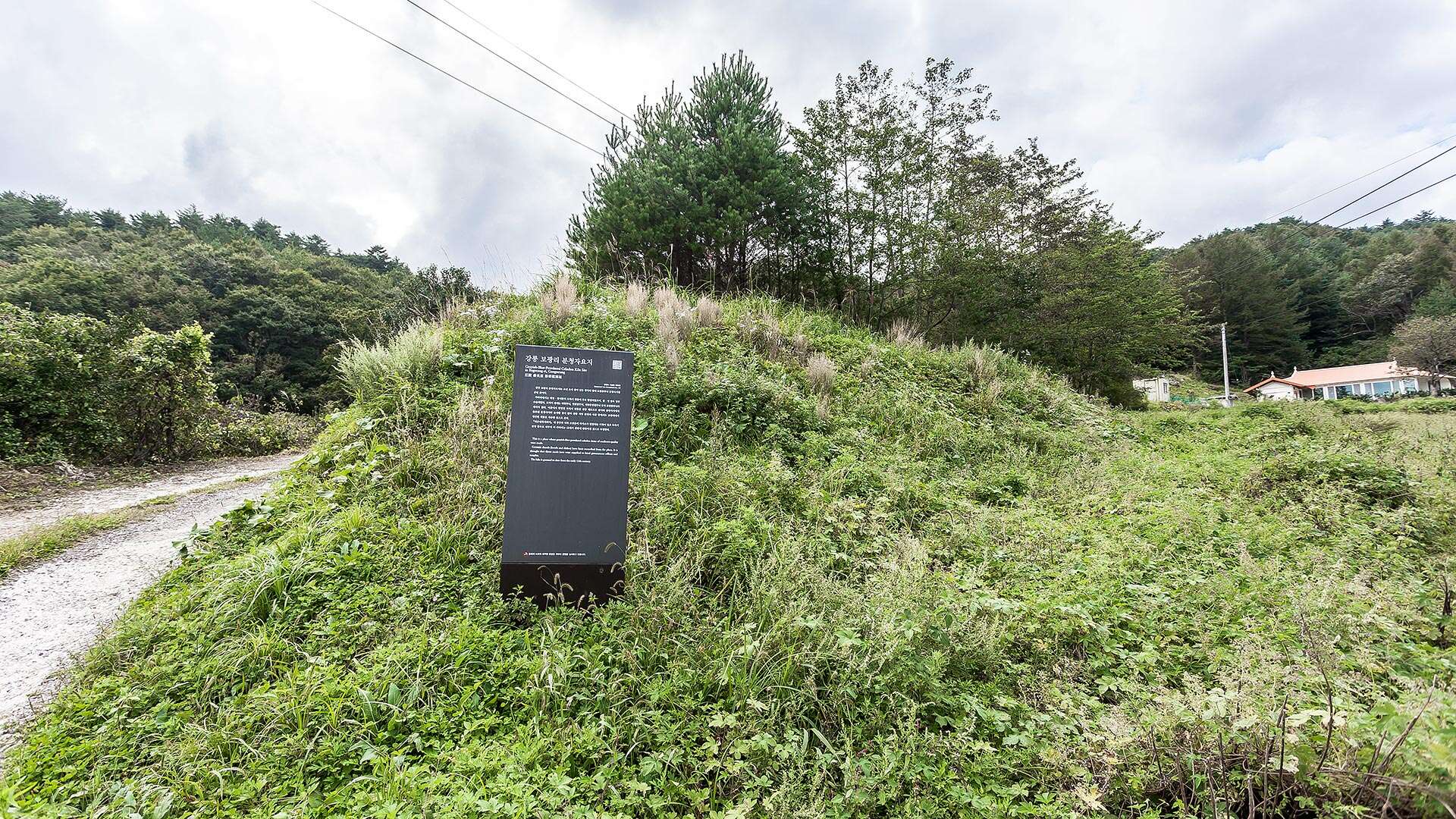
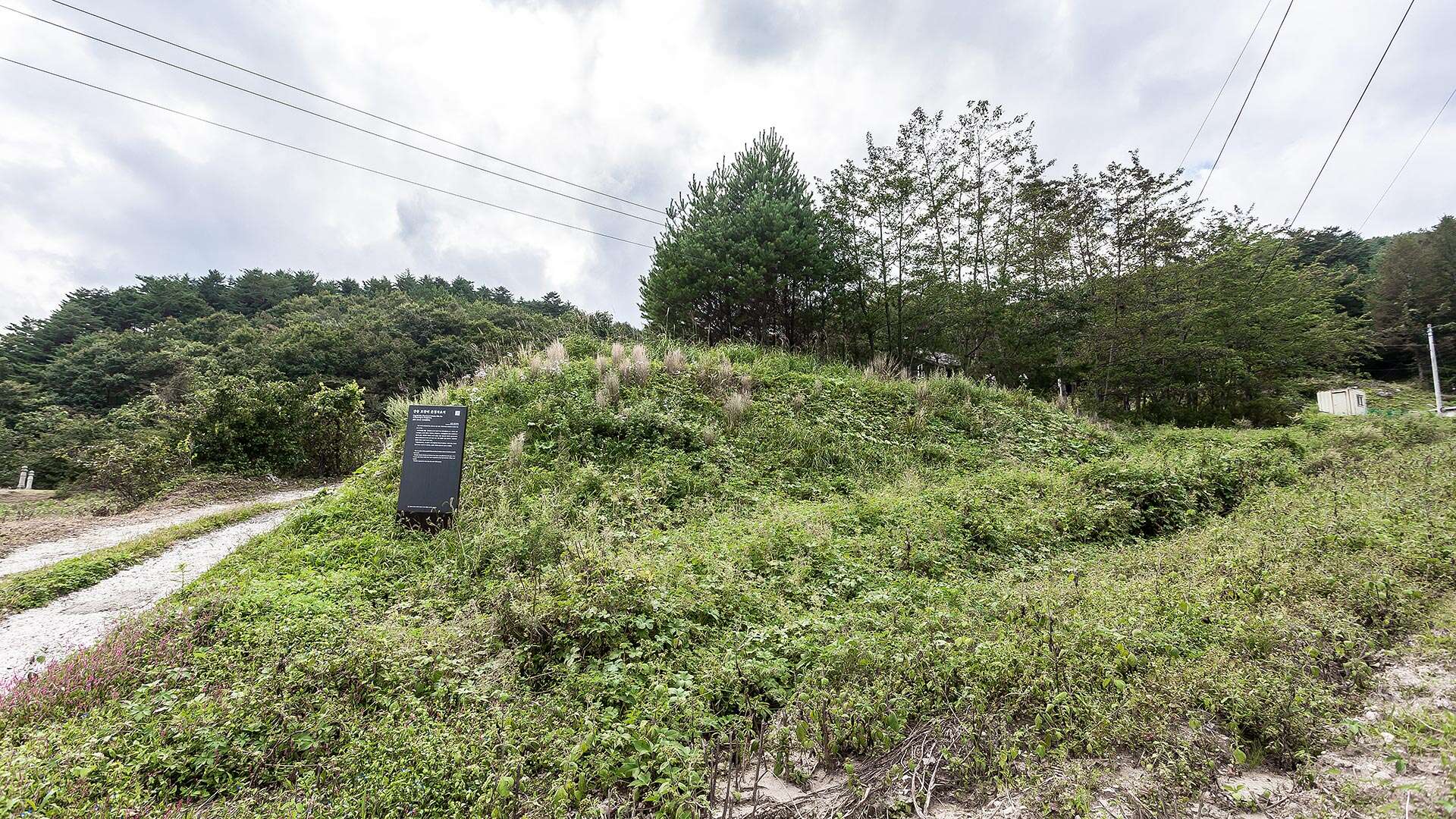
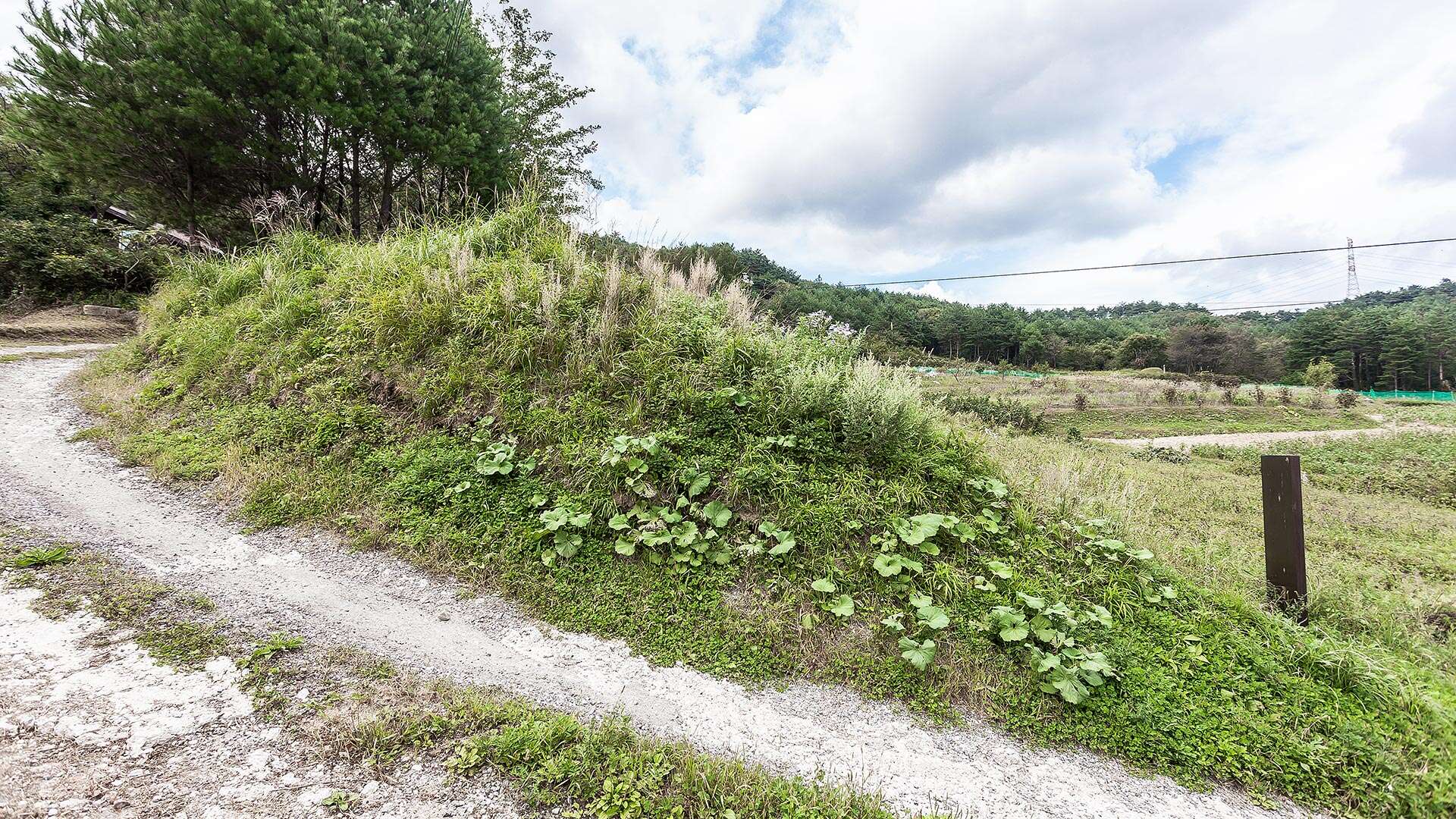
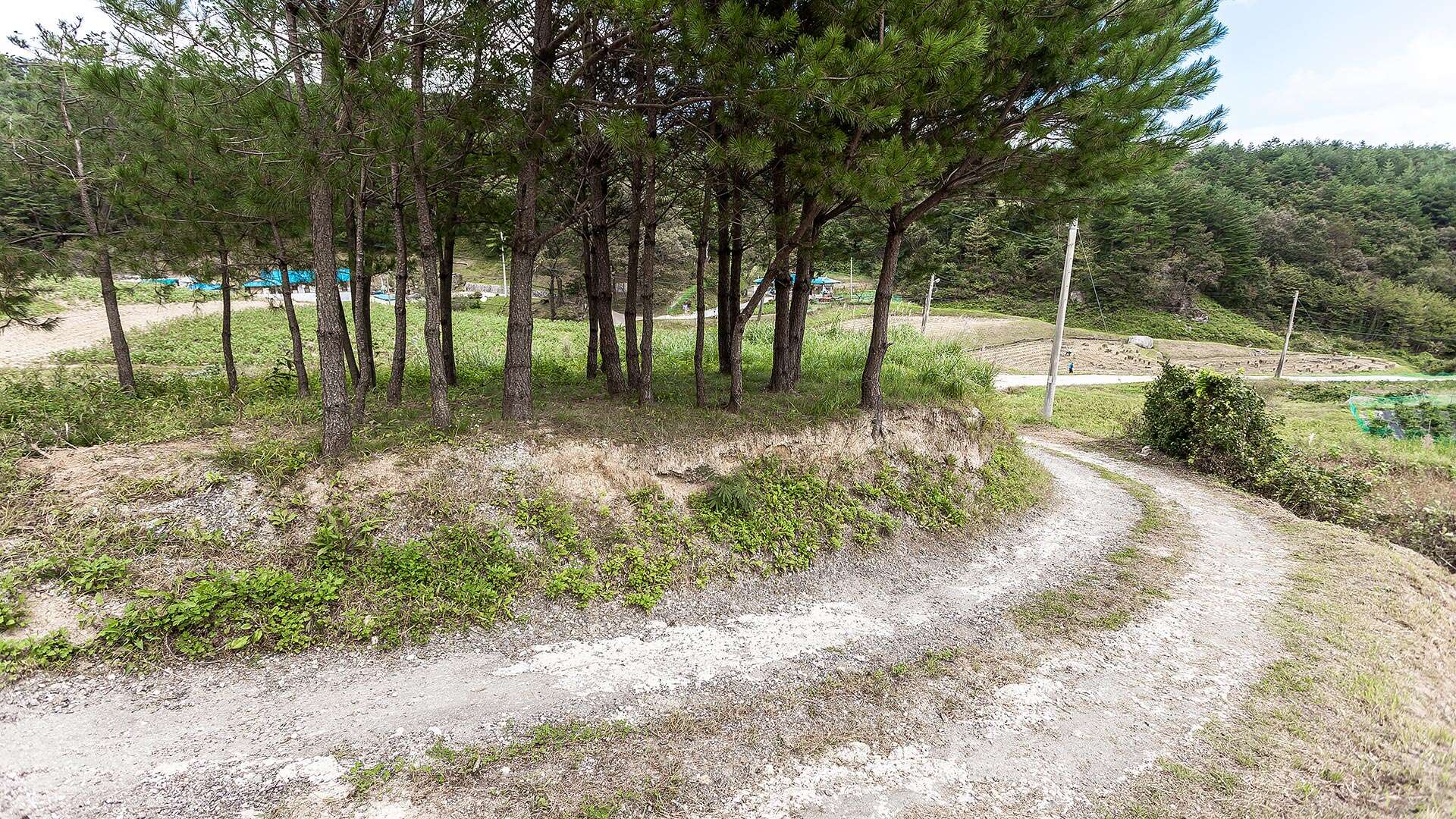
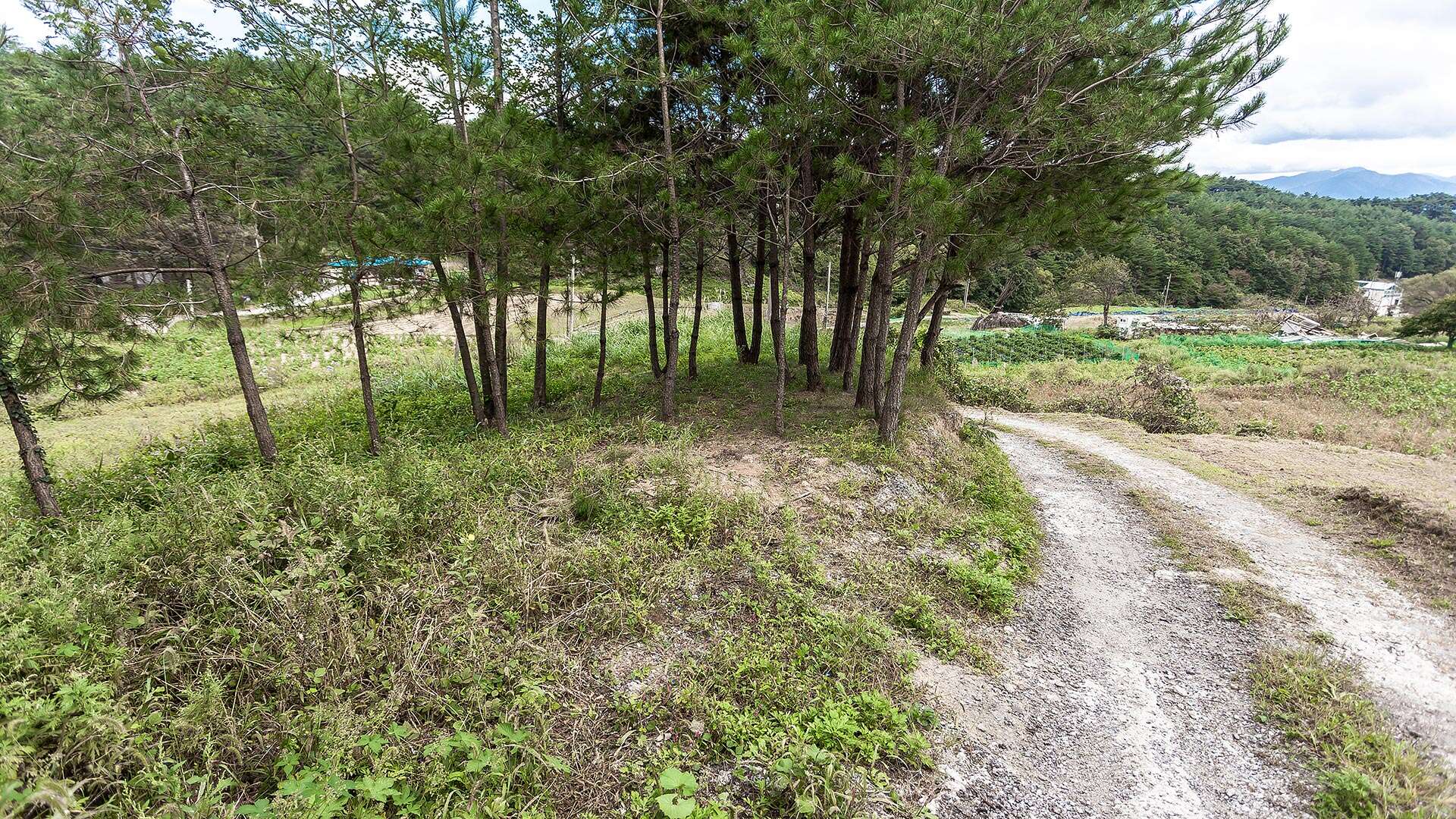
Designated as a Gangwon-do Cultural Heritage on September 23, 1994, this is the only Buncheong ware kiln site discovered in the region. Located about 1 km northwest of the Tomb of the King of Myeongju-gun, the soil in the area where the kiln is presumed to be buried is noticeably redder than the surrounding earth. The kiln's dimensions are estimated to be approximately 1.4 by 20 meters.
Tourist Guide
The lower southeastern slope, where the kiln site is believed to be, has mostly eroded, exposing the structural layers. Numerous fragments of celadon, Buncheong ware, and "dochim" (pottery supports used during firing) are scattered around the area. Most of the recovered fragments are from bowls and plates.
Tourist Tips
Fragments found at the site include bowls with black inlaid lotus and vine patterns, as well as plates with stamped chrysanthemum designs. Based on these patterns, the site is identified as a kiln active from the 13th to the early 15th century. A small number of white porcelain fragments have also been recovered.