Introduction
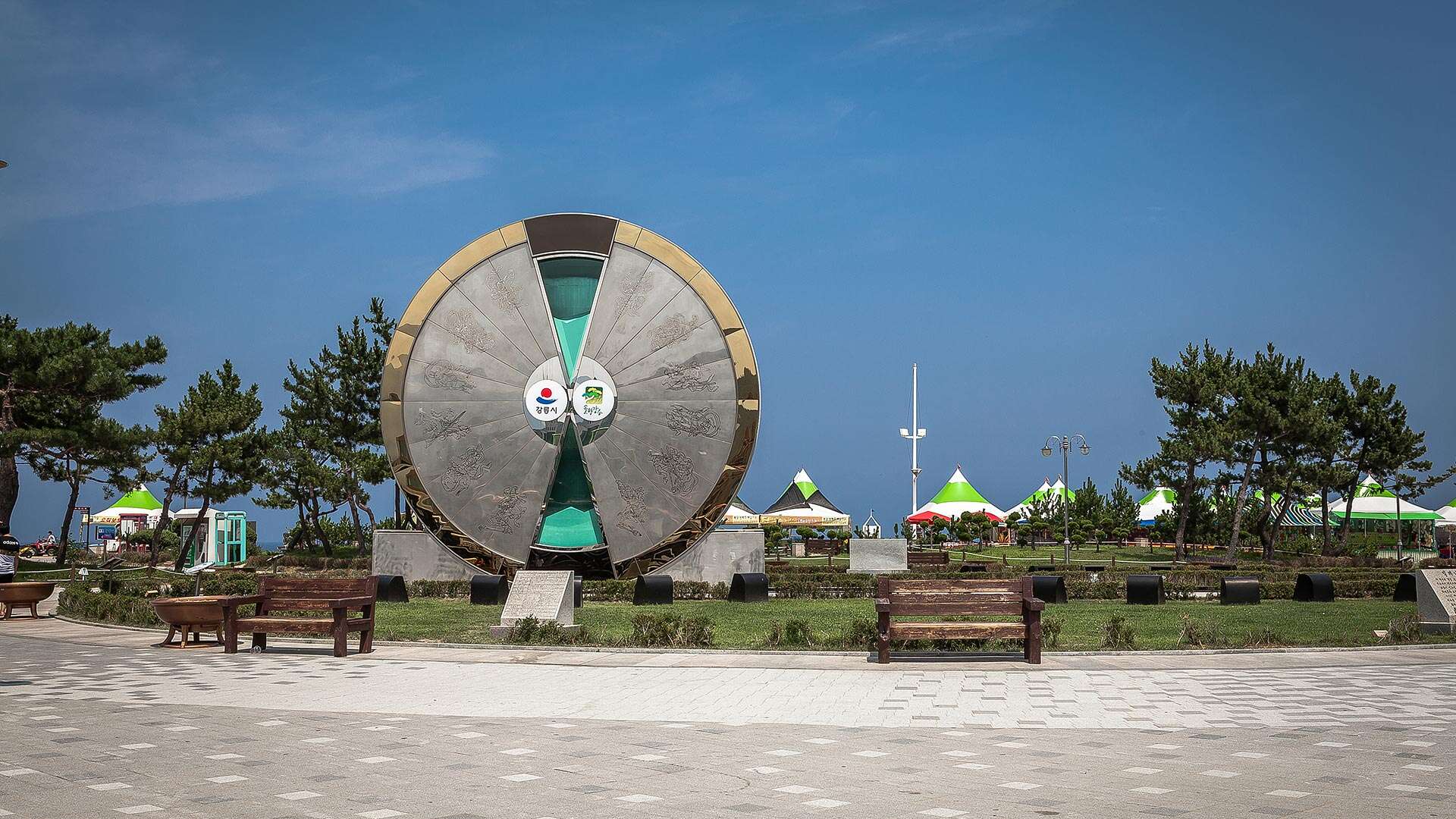
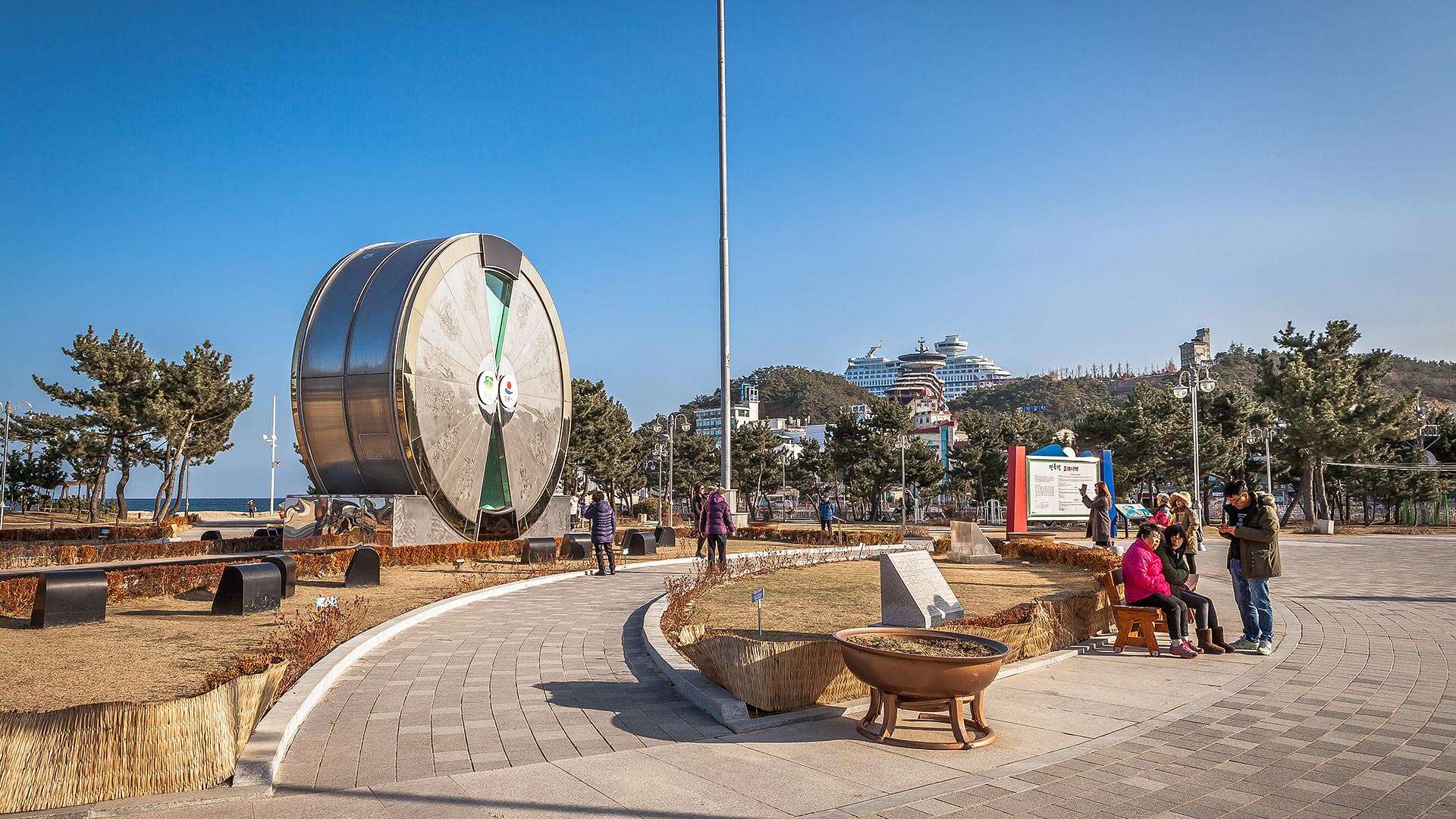
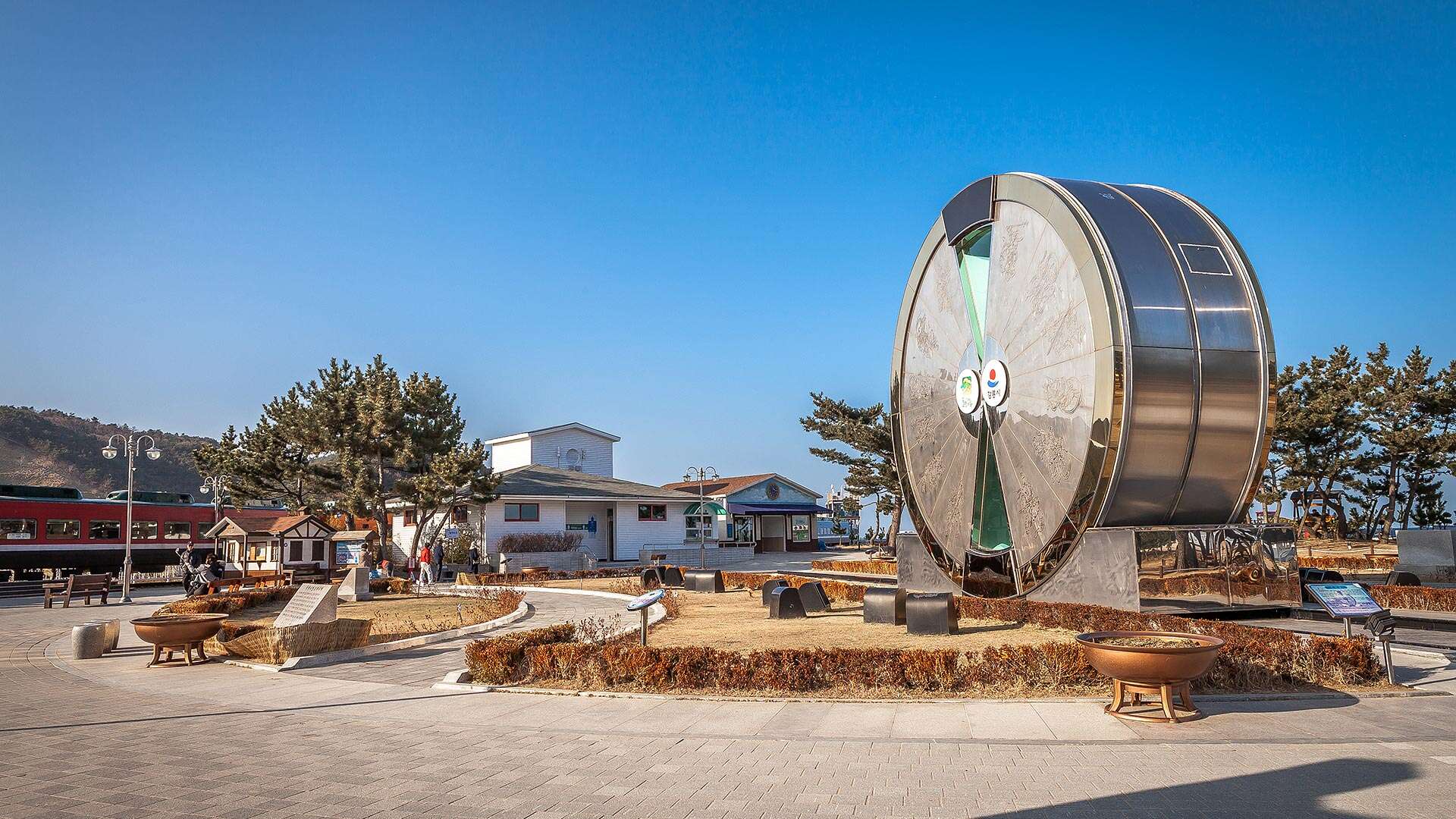
Jeongdongjin Hourglass Park was created in 1999 by Gangneung City and Samsung Electronics to commemorate the new millennium, with a total project cost of 1.28 billion KRW. The hourglass inside the park is the largest in the world, measuring 8.06 meters in diameter, 3.20 meters in width, weighing 40 tons, and containing 8 tons of sand. It takes exactly one year for all the sand inside the hourglass to fall from top to bottom.
Tourist Guide
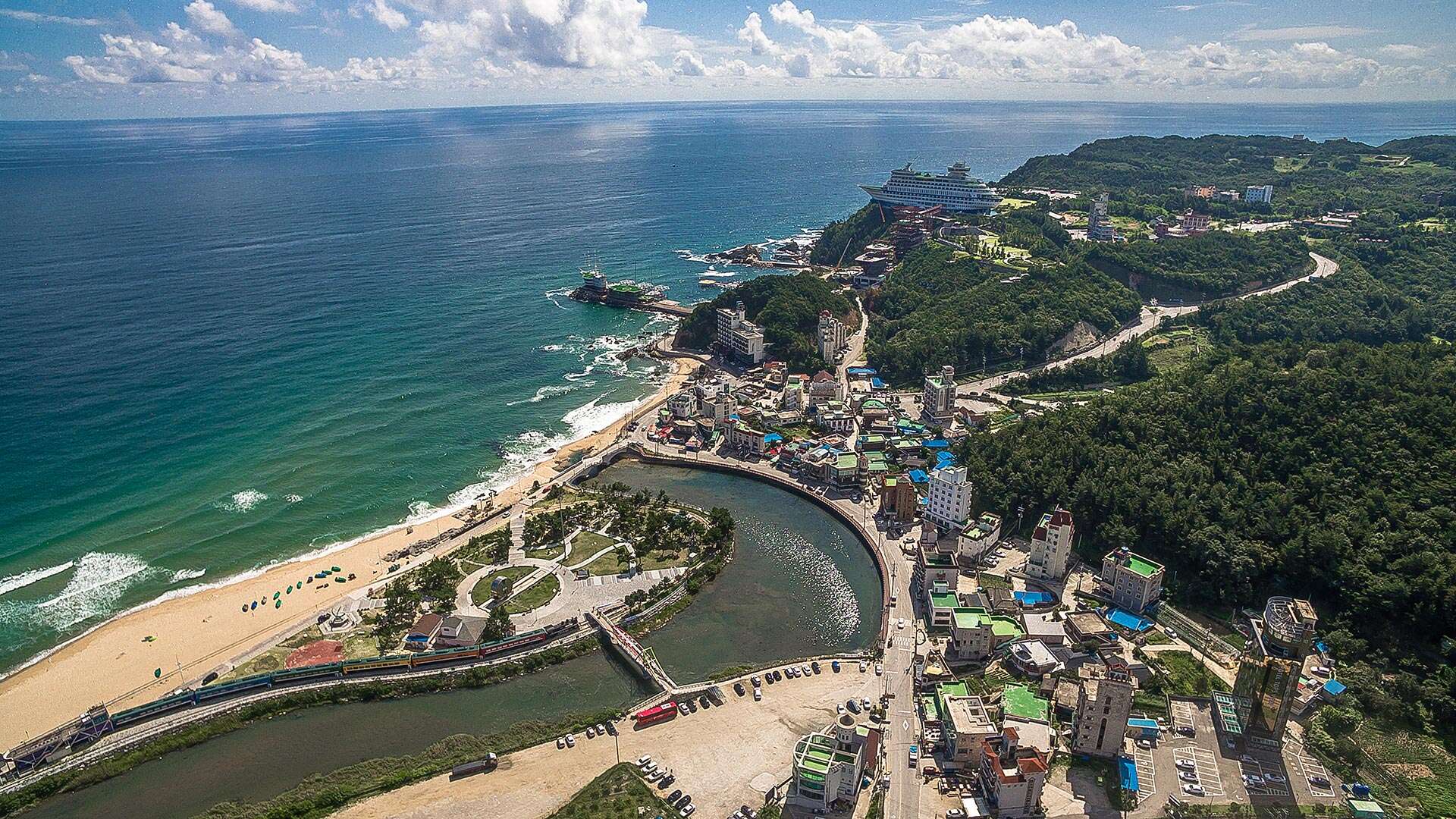
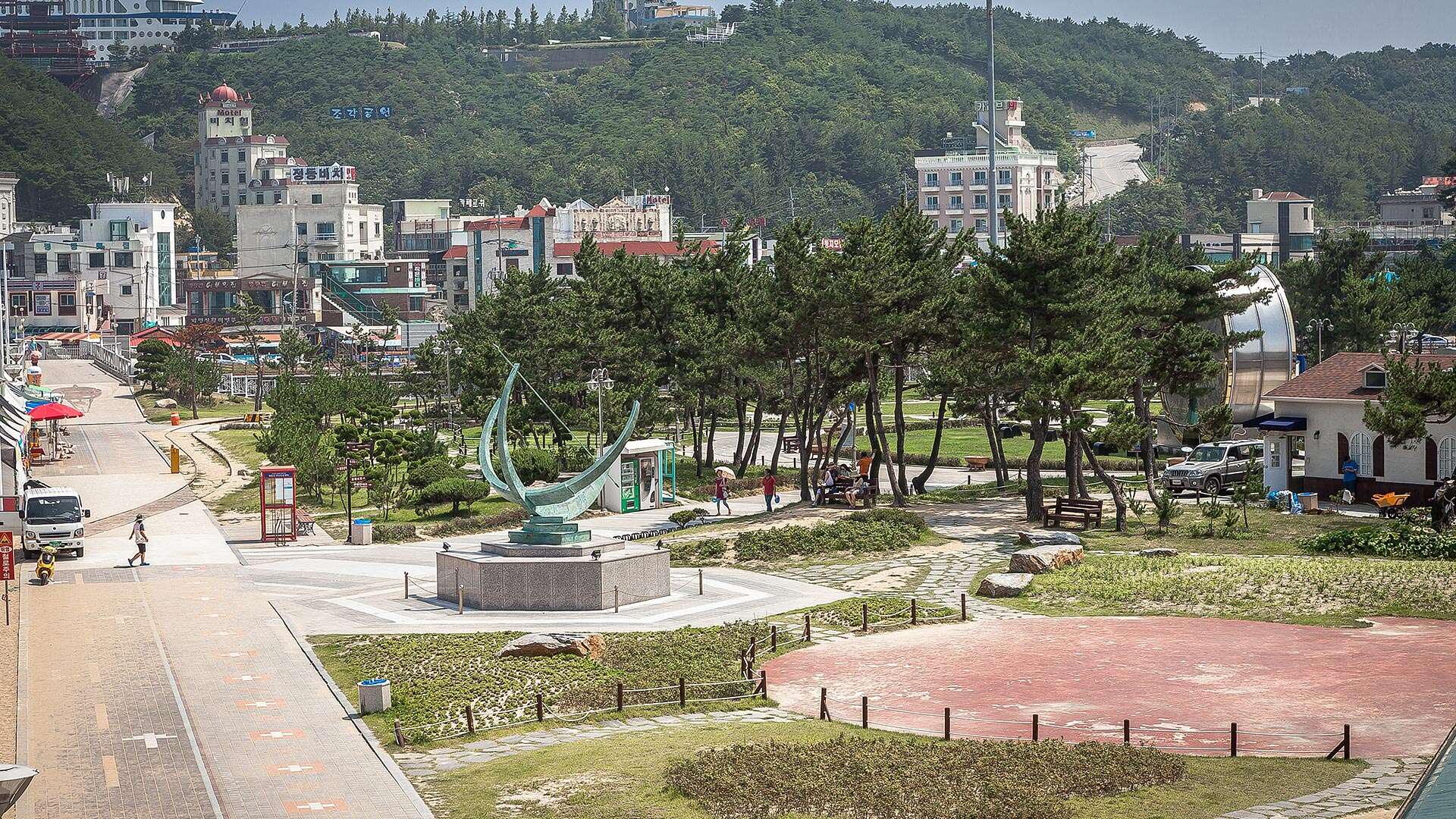
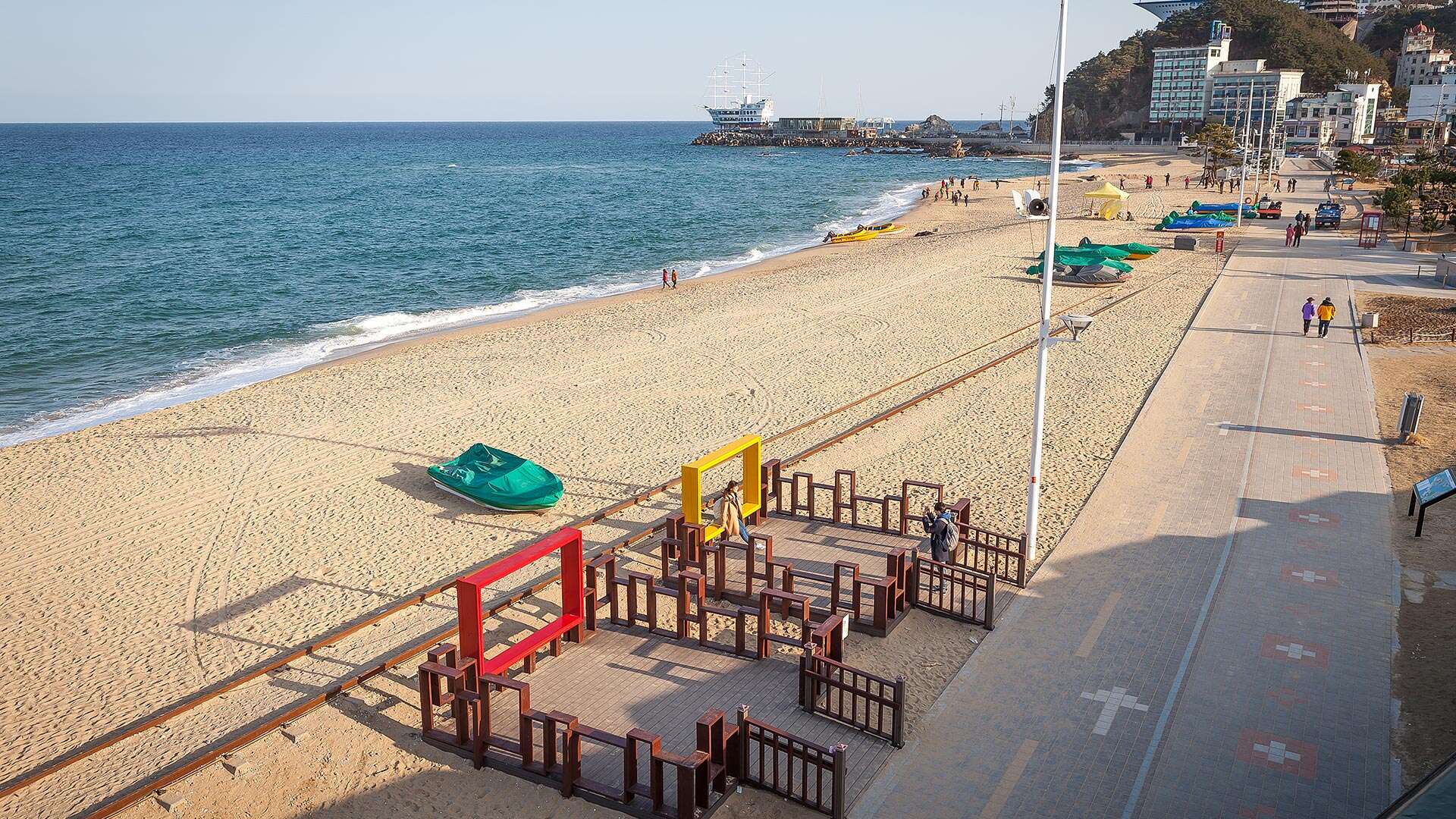
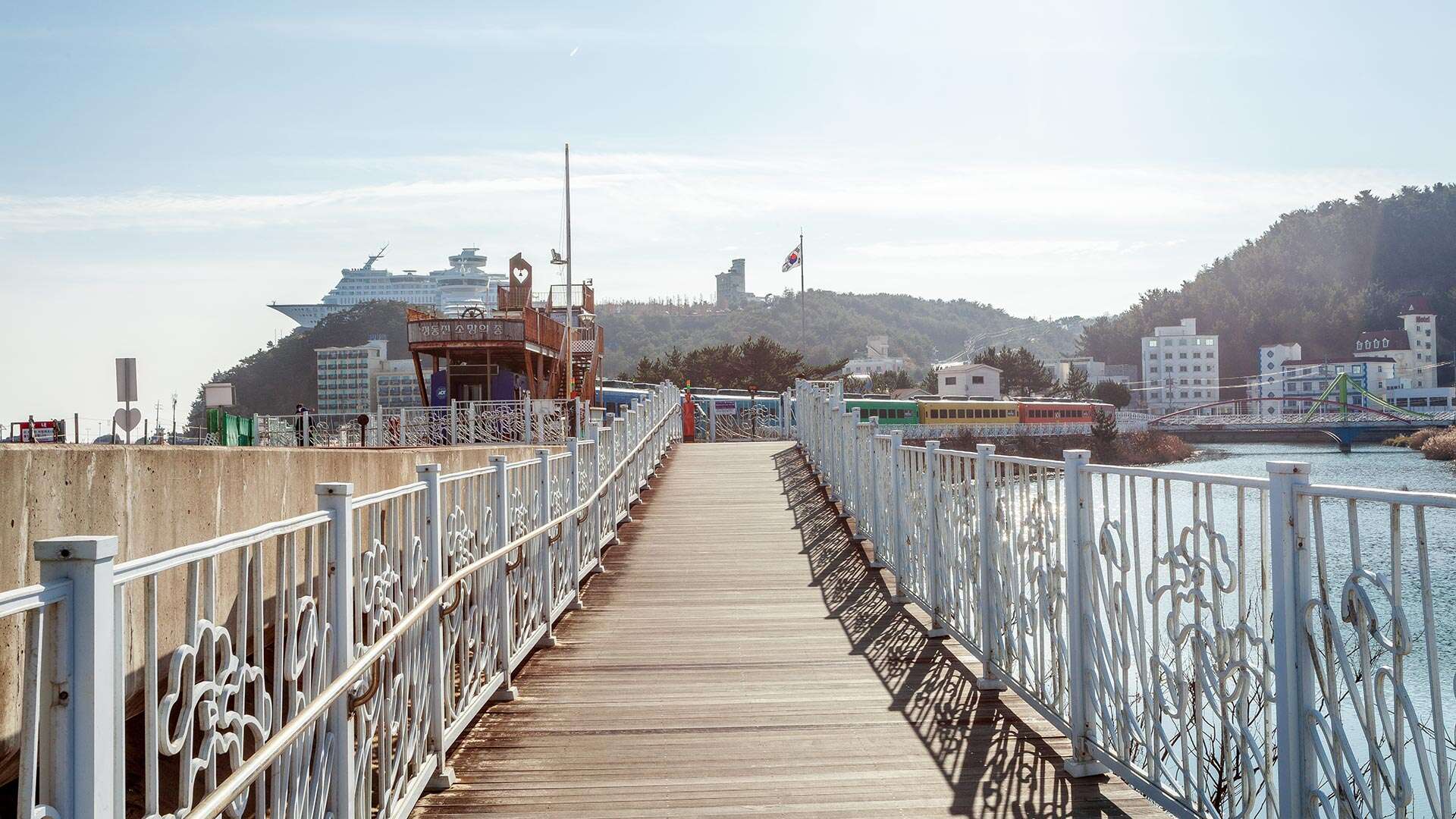
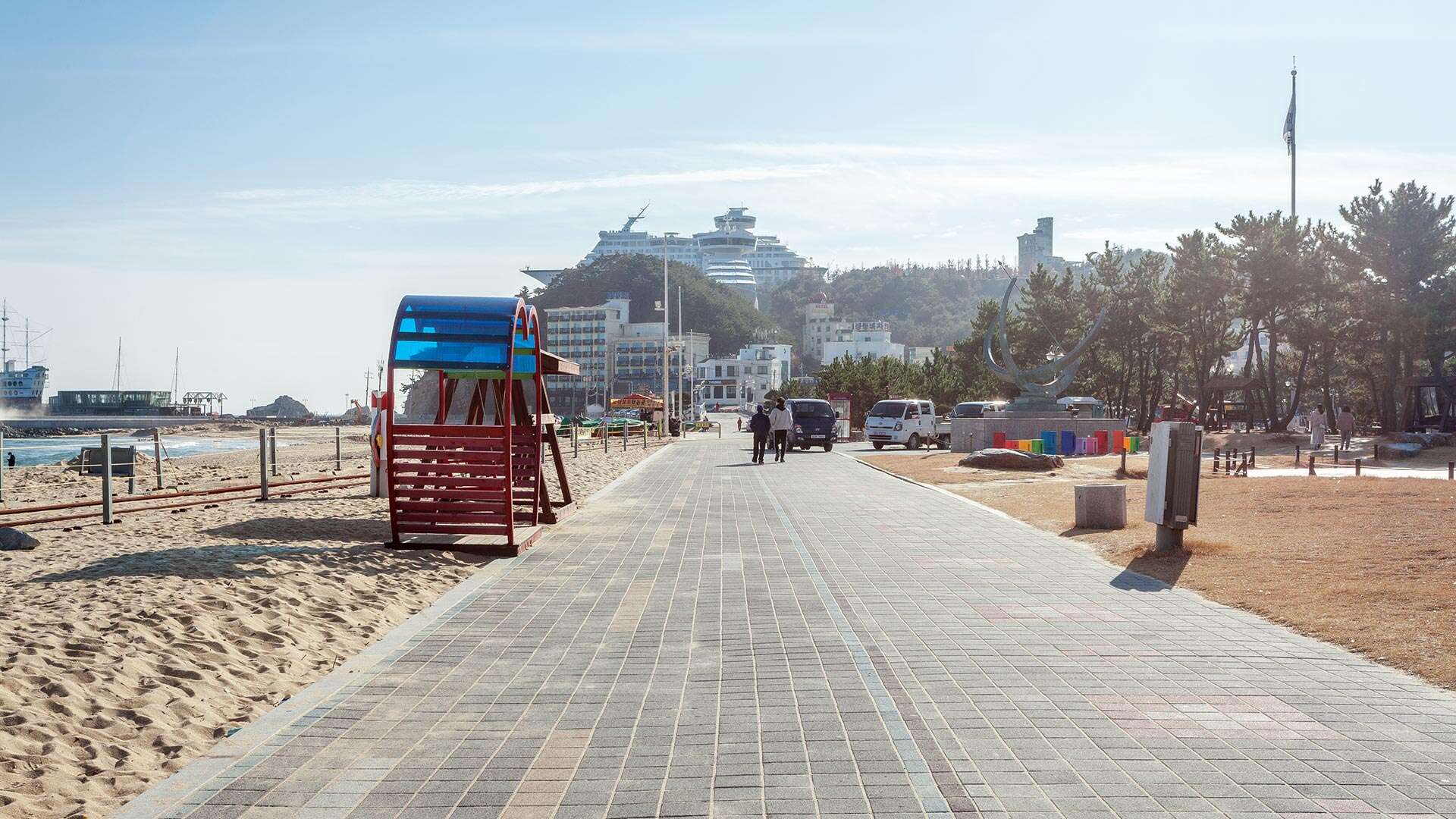
Hourglass Park was established to commemorate both the popular drama “Sandglass” and the new millennium, and features the Jeongdongjin Millennium Hourglass. Nearby attractions include Jeongdongjin Sculpture Park, Jeongdongjin Station, and Jeongdongjin Beach. There are no admission or parking fees.
Travel Tips
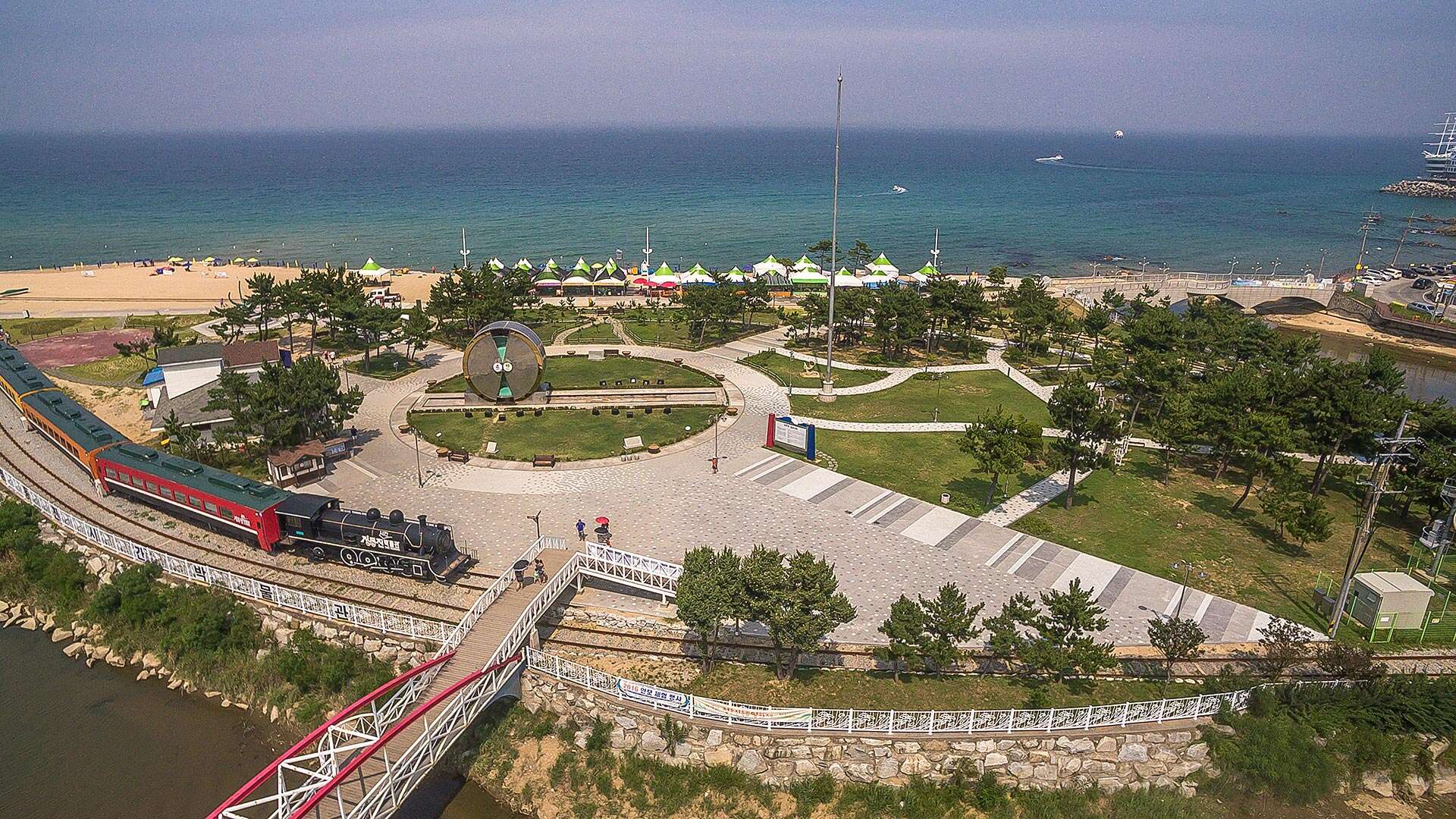
Hourglass Park is modestly designed with the East Sea, surrounding mountains, and Jeongdongjin 2-ri village as its backdrop. At the center stands the hourglass, surrounded by pine trees, while benches are placed facing the sea. Unlike sundials or water clocks that indicate the current time, an hourglass measures the passage of time based on the volume of sand falling due to gravity. Historically, hourglasses were made in various durations such as 4 hours, 2 hours, 1 hour, and 30 minutes, as well as 28 seconds and 14 seconds for measuring ship speed. These were widely used until the 19th century, and today, a 3-minute hourglass is commonly used for boiling eggs. It is said that the hourglass was invented around the 8th century by a French clergyman named Liutprand.
The Jeongdongjin Hourglass differs from the typical narrow-waisted glass shape, as it is designed in a round form to symbolize the infinity of time. The circular shape also represents the rising sun over the East Sea, while the 32-meter-long parallel train rails symbolize the eternal flow of time. The falling and accumulating sand signifies the continuity of time rather than a separation between the past and the future.
Jeongdongjin, where the hourglass stands, is located directly east of the milestone marker in front of Gwanghwamun in Seoul. It is known as one of the first places on the Korean Peninsula to see the sunrise during the summer solstice, attracting many visitors. It is highly recommended to visit with family to enjoy the beautiful sunrise and explore Hourglass Park.