Introduction
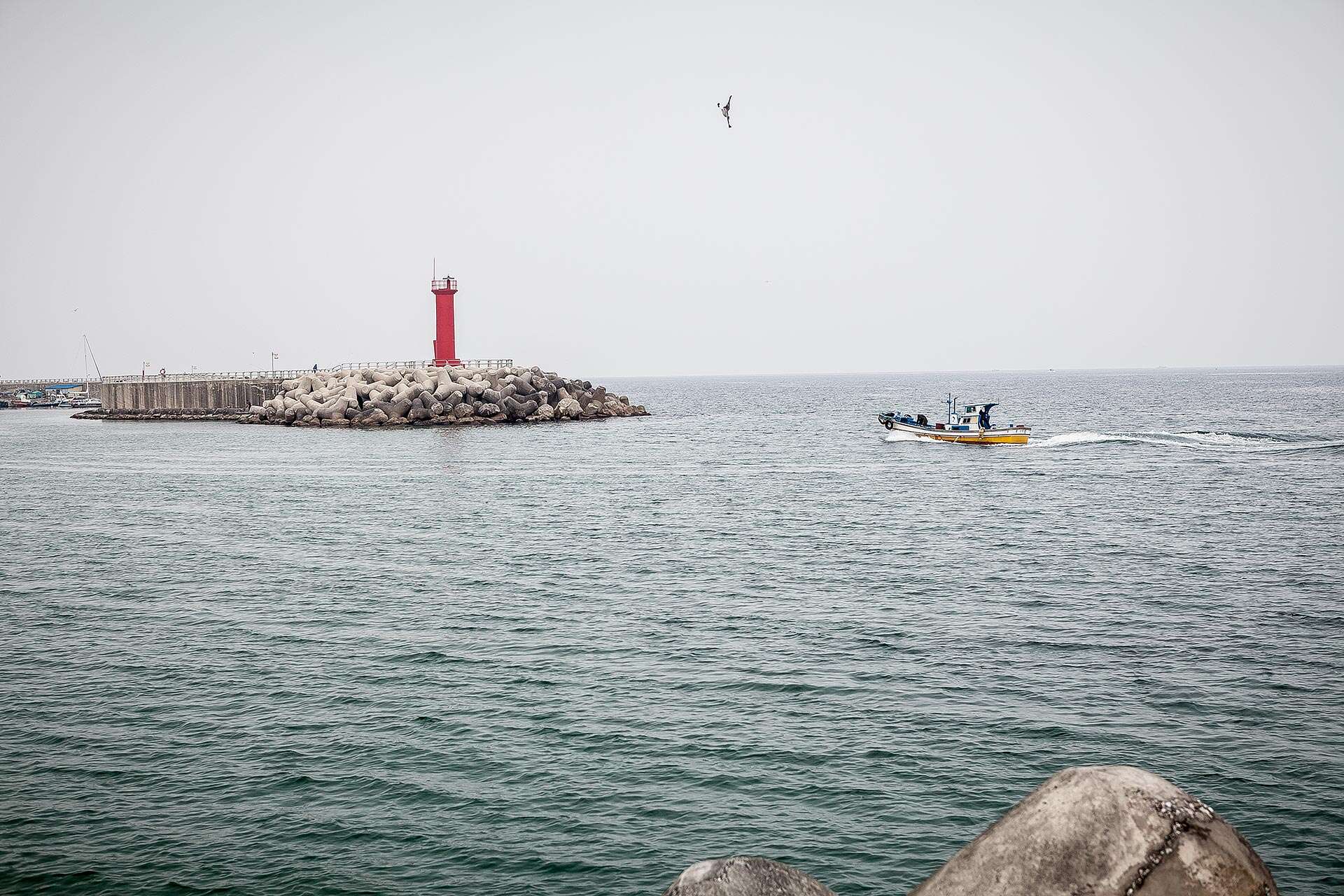
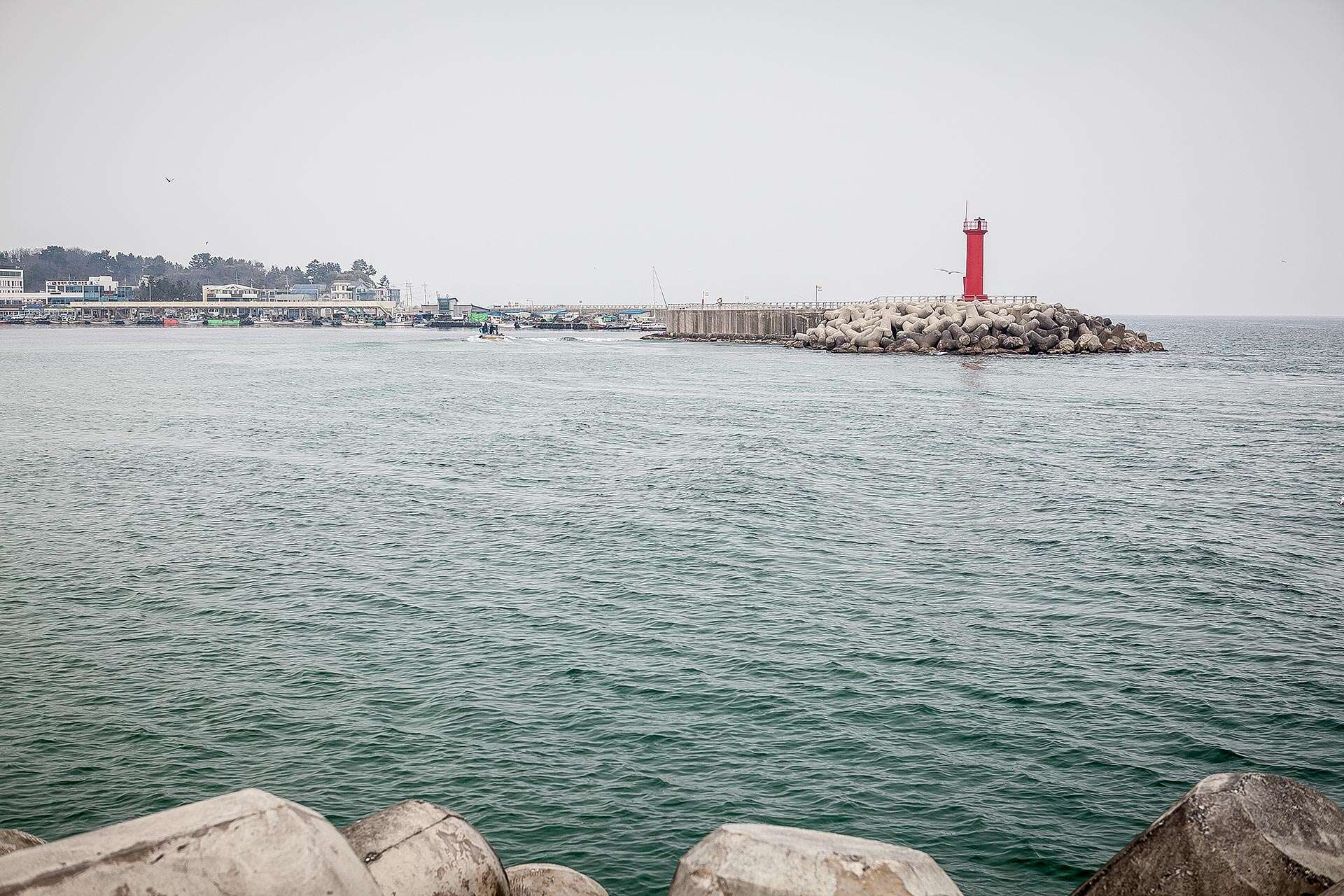
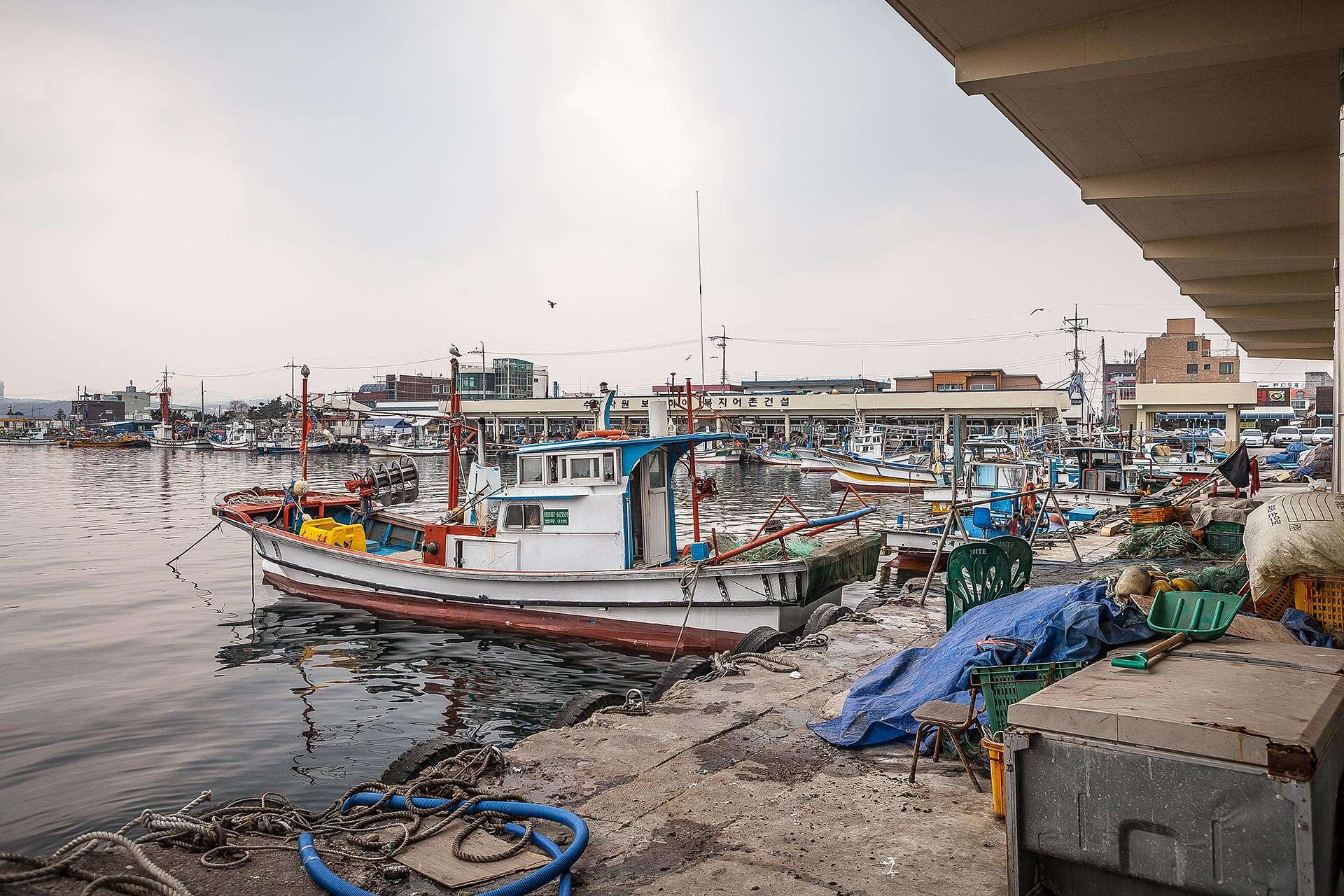
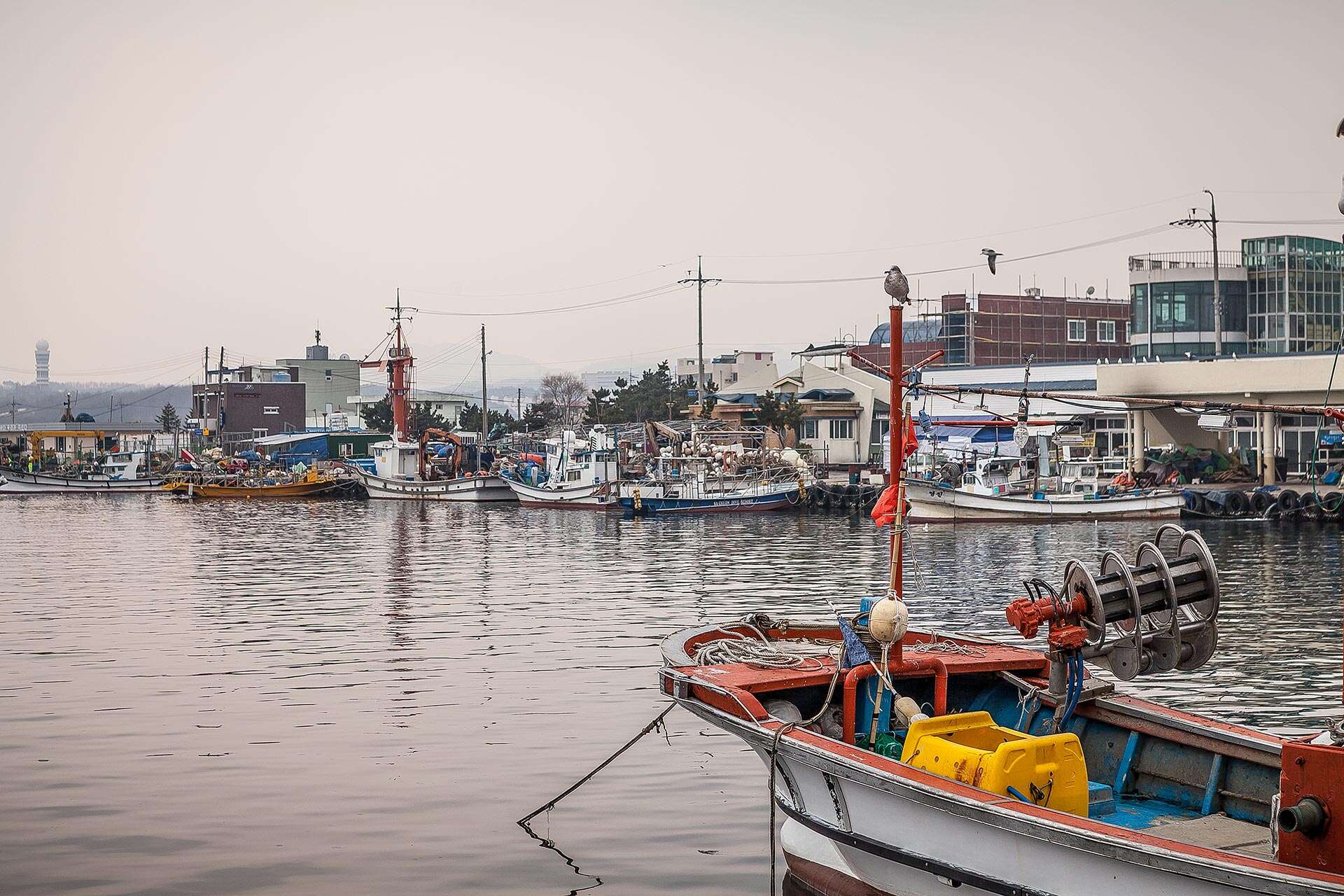
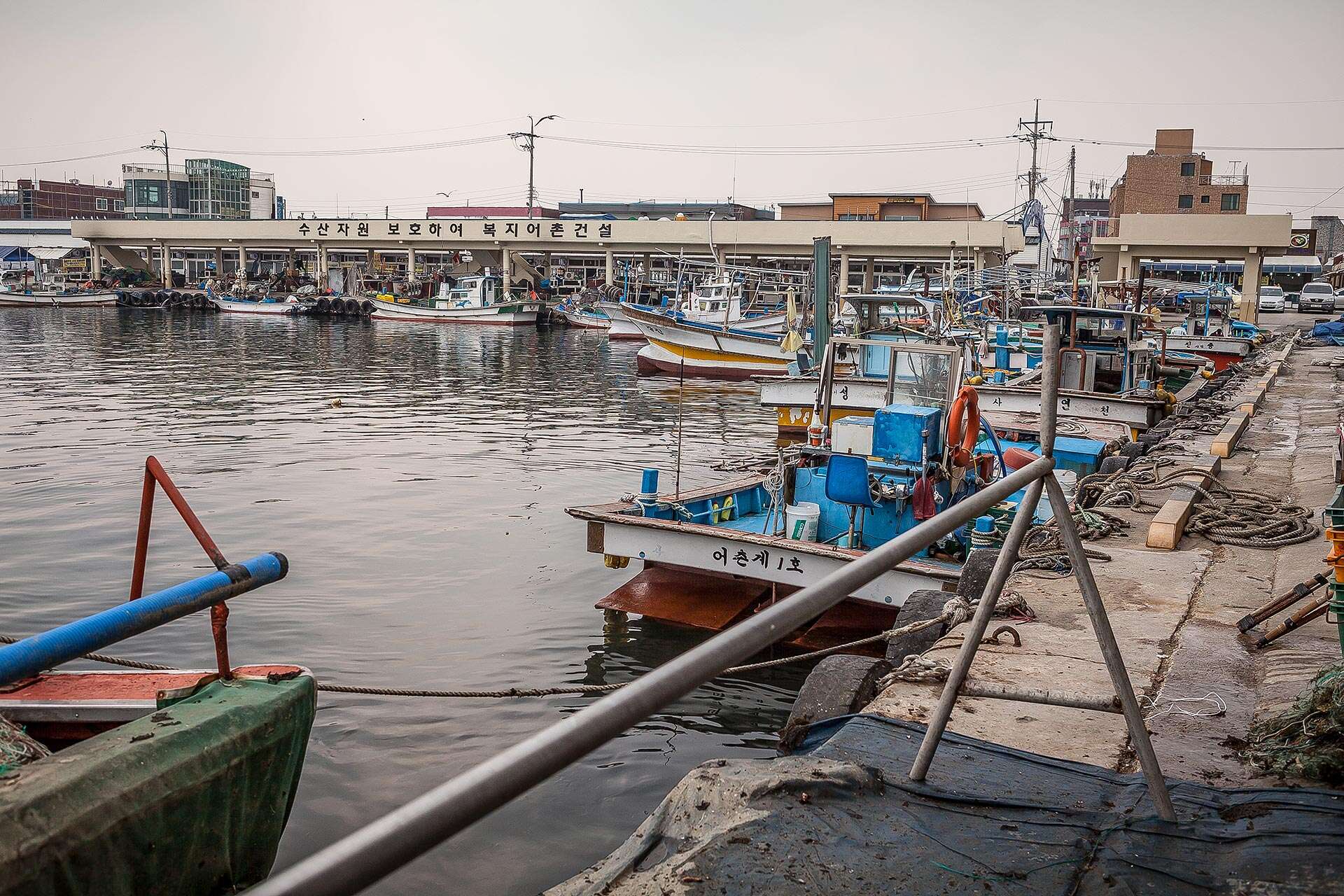
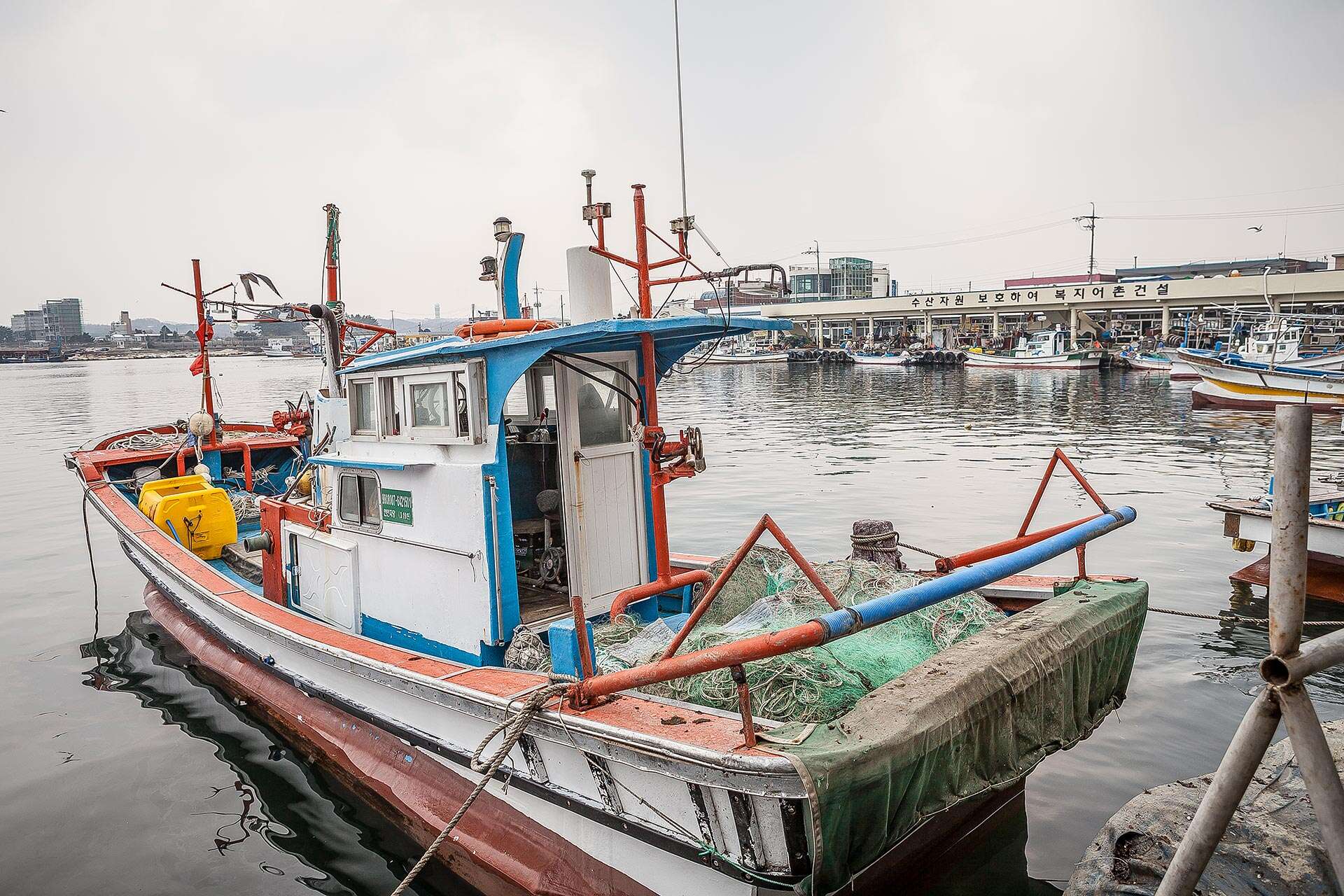
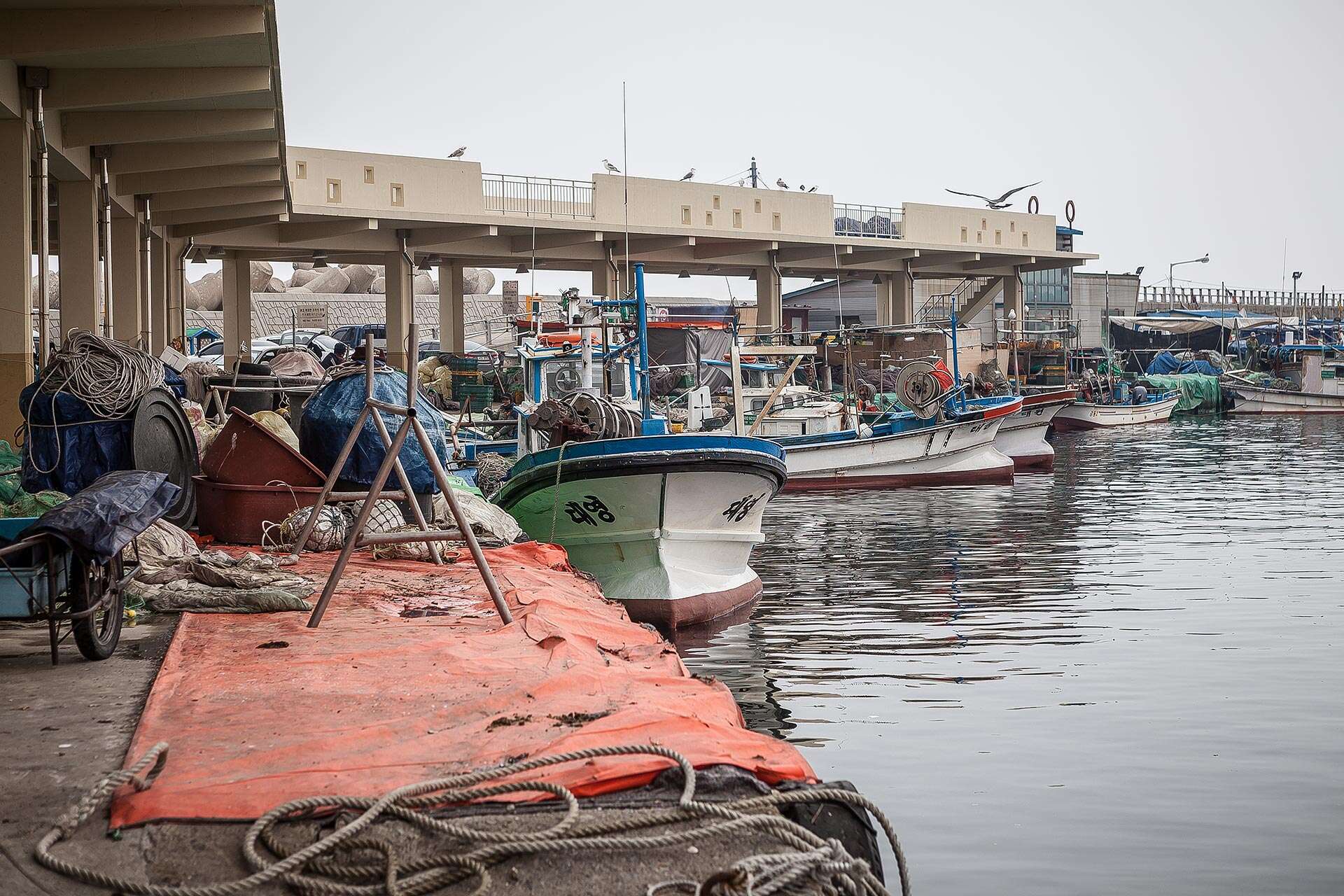
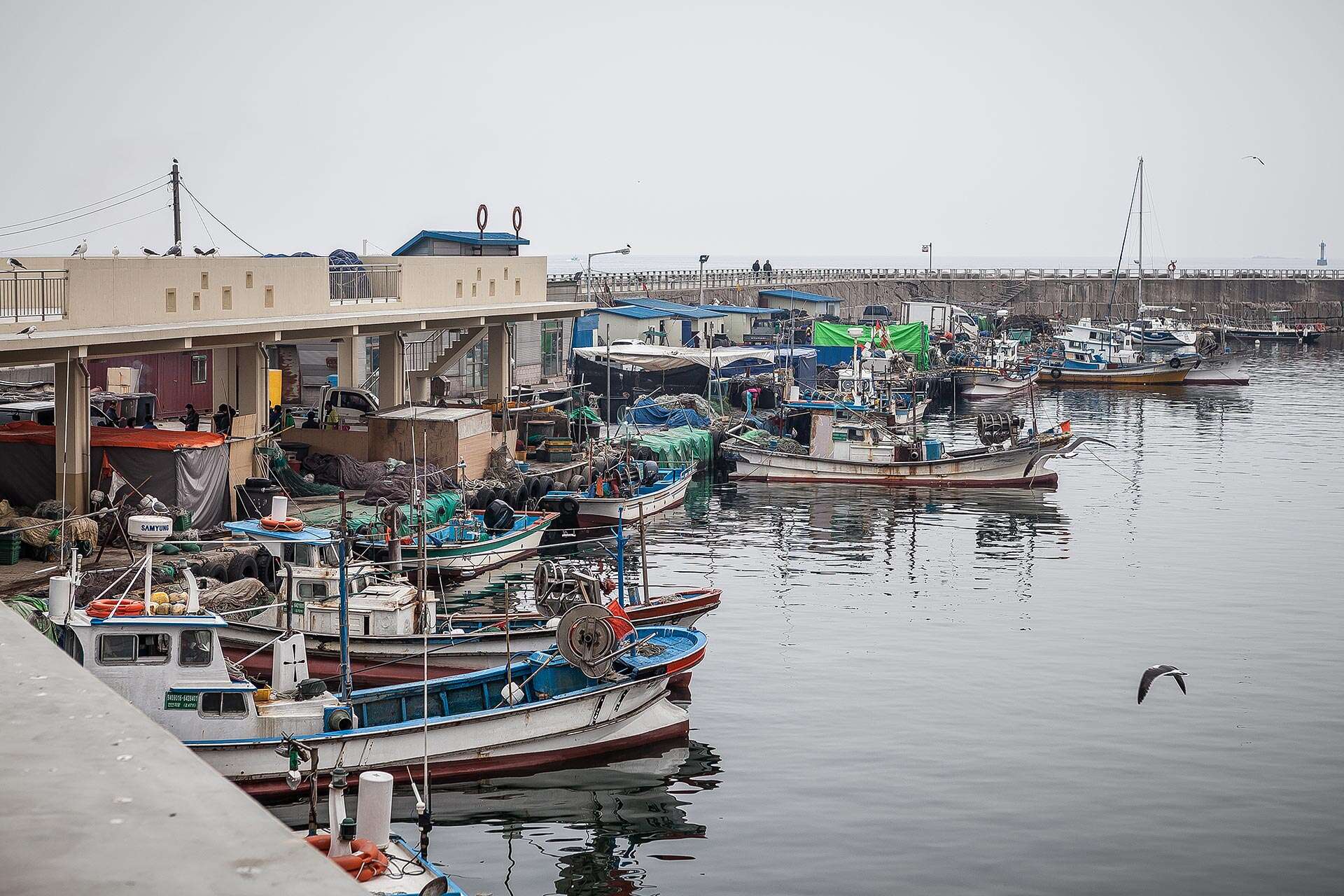
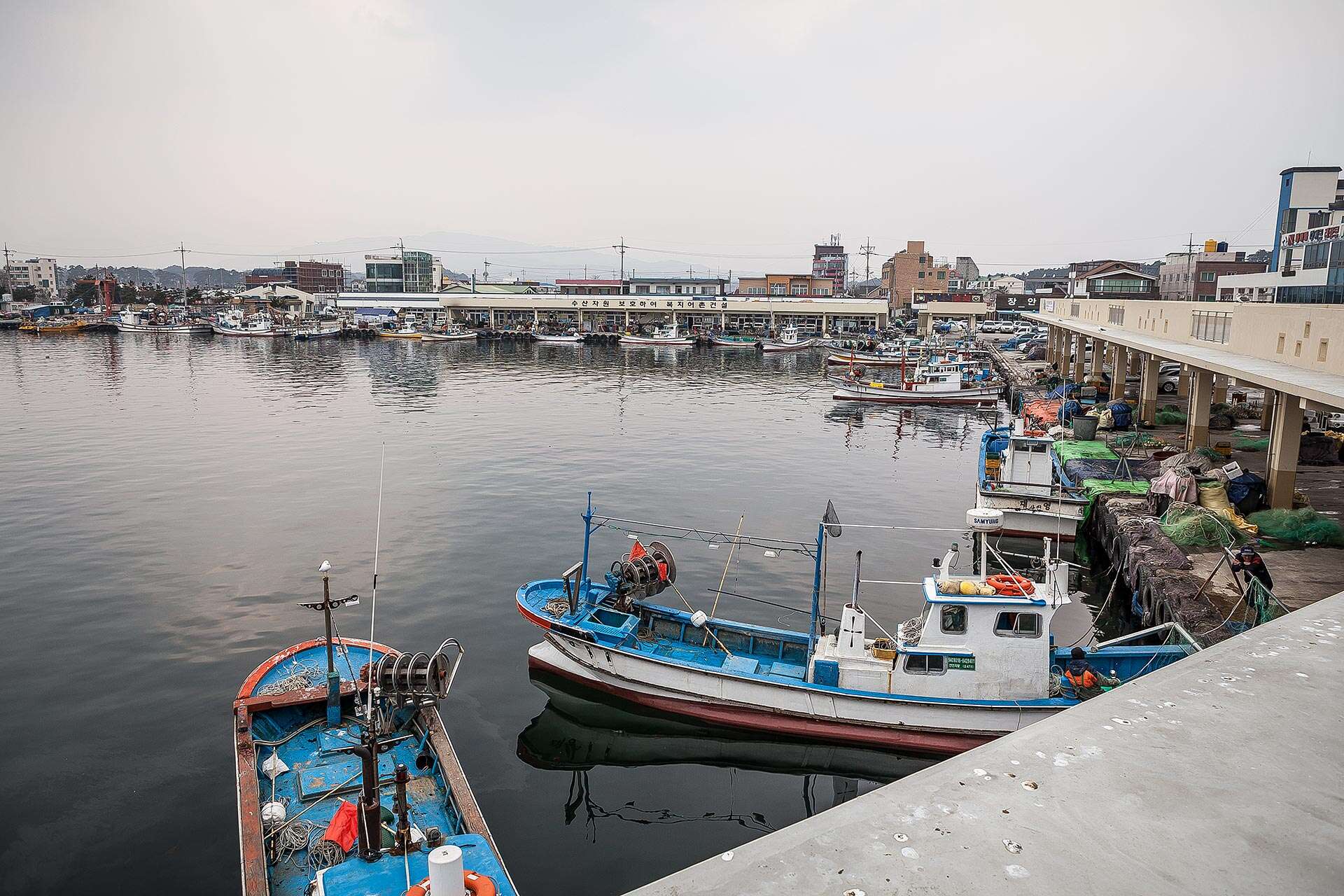
Sacheonjin Port is located at the confluence where Sacheoncheon Stream, which flows eastward from the watershed branching off the Baekdudaegan Mountain Range, meets the sea. As a relatively small port, the development of rocky coasts is limited, and facilities such as docking areas and piers are modest in scale. Unlike other ports, it is also well-suited for enjoying yachting. During the Joseon Dynasty, it was called “Sahwajin (沙火津).” Later, Sahwa-myeon was renamed Sacheon-myeon, and in 1916, during an administrative reorganization, Aeildang-ri, Haengkkaedeul, Geonneobul, Dwitseom, and Solmaji were merged to form Sacheonjin-ri. It was designated as a Class 1 fishing port in 1971, with development beginning in 1982 and completed in 1988. Approximately 70 households engage in fishing, catching flounder, sandfish, and octopus, while scallop farming is also actively carried out as a high-income industry.
Tourist Guide
Natural villages include Aeildang-ri, Haengkkaedeul, Neoneobul, Dwitseom, and Solmaji. The coastline of Sacheonjin is connected with nearby tourist attractions such as Gyeongpo, attracting many vacationers, and is home to Sacheonjin Beach. In Sacheonjin-ri, on the 6th day of the 2nd lunar month, residents gather at a bridge near the mouth of Sacheoncheon Stream to perform a traditional torch festival, praying for a bountiful harvest. The western boundary of Sacheon-myeon consists of mountainous terrain over 1,000 meters in elevation along the Daegwallyeong Range, and from these mountains, Sacheoncheon flows eastward through the central area, forming relatively wide plains. Major agricultural products include rice and leaf tobacco, with sericulture also being active. Sacheon Port and Sacheon Beach are located along Sacheoncheon Stream. A national road connecting Sokcho and Mukho passes through the area. In 1995, a hot spring was discovered in Seokgyo-ri.
Travel Tips
When you think of “Sacheon Port,” the first thing that comes to mind is “mulhoe” (spicy cold raw fish soup). Although it is a small fishing village without a large-scale seafood market or many sashimi restaurants, it is famous for mulhoe, attracting many visitors. People who visit Sacheon Port make sure to try mulhoe, and some even come specifically for it. The dish is served with slices of raw fish in a red chili paste-based broth, with noodles provided separately. When you add the noodles to the chilled broth and take a bite, the refreshing and spicy flavors awaken your senses instantly. As a result, there are more than ten restaurants specializing in mulhoe and hoe-deopbap (rice with sliced raw fish) facing the sea.
Another must-try dish is rockfish seaweed soup (ureok miyeok-guk). It is on a completely different level from beef seaweed soup. There is no need to worry about any fishy smell; it is light and clean in taste, and with every spoonful, you will find yourself wanting more. If you visit Gangneung, it is highly recommended to try it at least once.
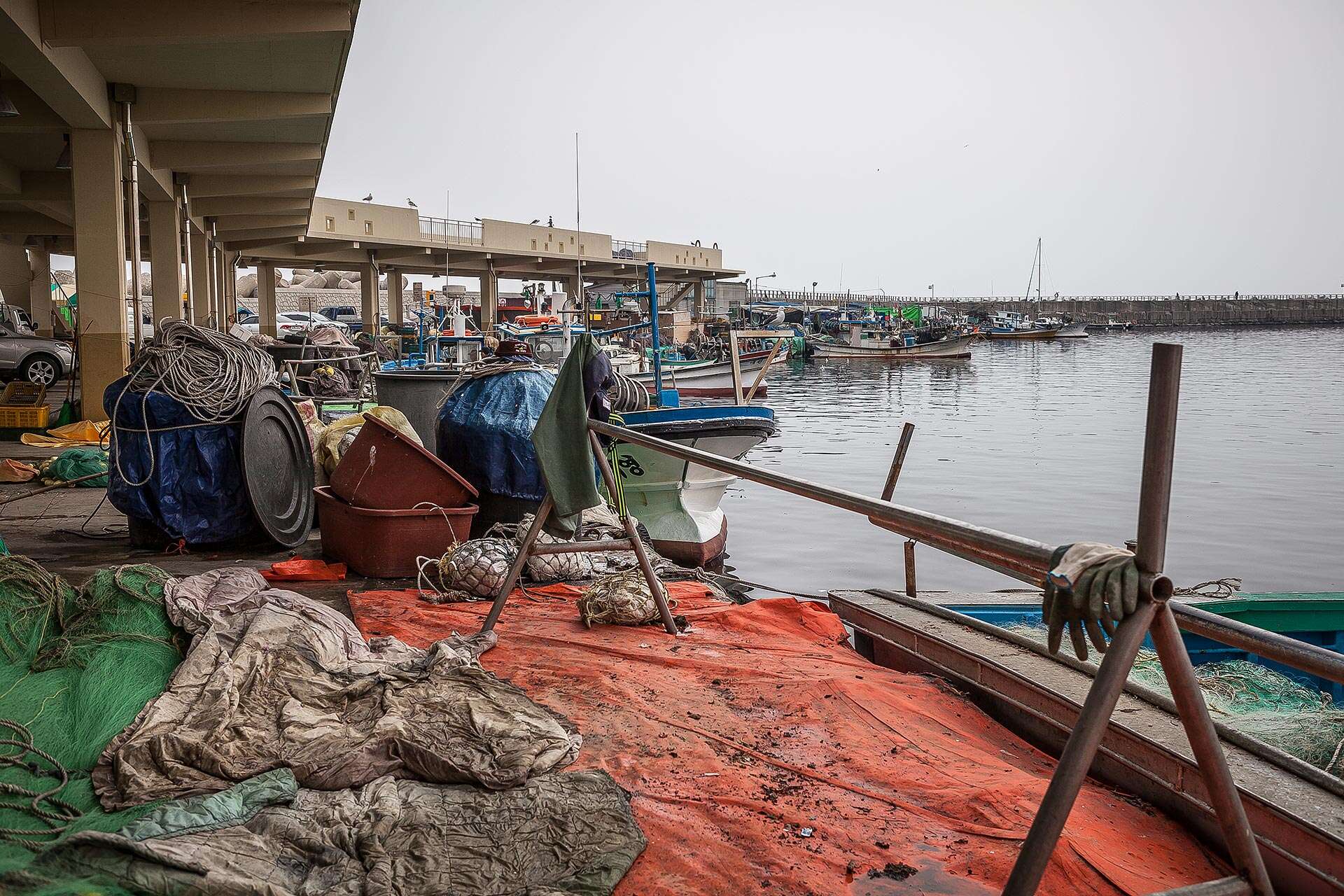
Like many places along the East Coast, Sacheon Port becomes lively in winter with sandfish (yangmiri). When fishing boats return from the early morning sea, freshly caught sandfish flop in the nets spread across the market floor. Fishermen smile with satisfaction from a full catch, sweating even in the cold winter as they remove fish tangled in the nets. The freshly caught sandfish are auctioned immediately and distributed to markets. Grilling them over charcoal right away brings an indescribable joy, comparable to a heavenly experience. Sandfish has no fishy smell and tastes best when lightly salted and grilled over charcoal. Winter sandfish grilled over charcoal is highly recommended.
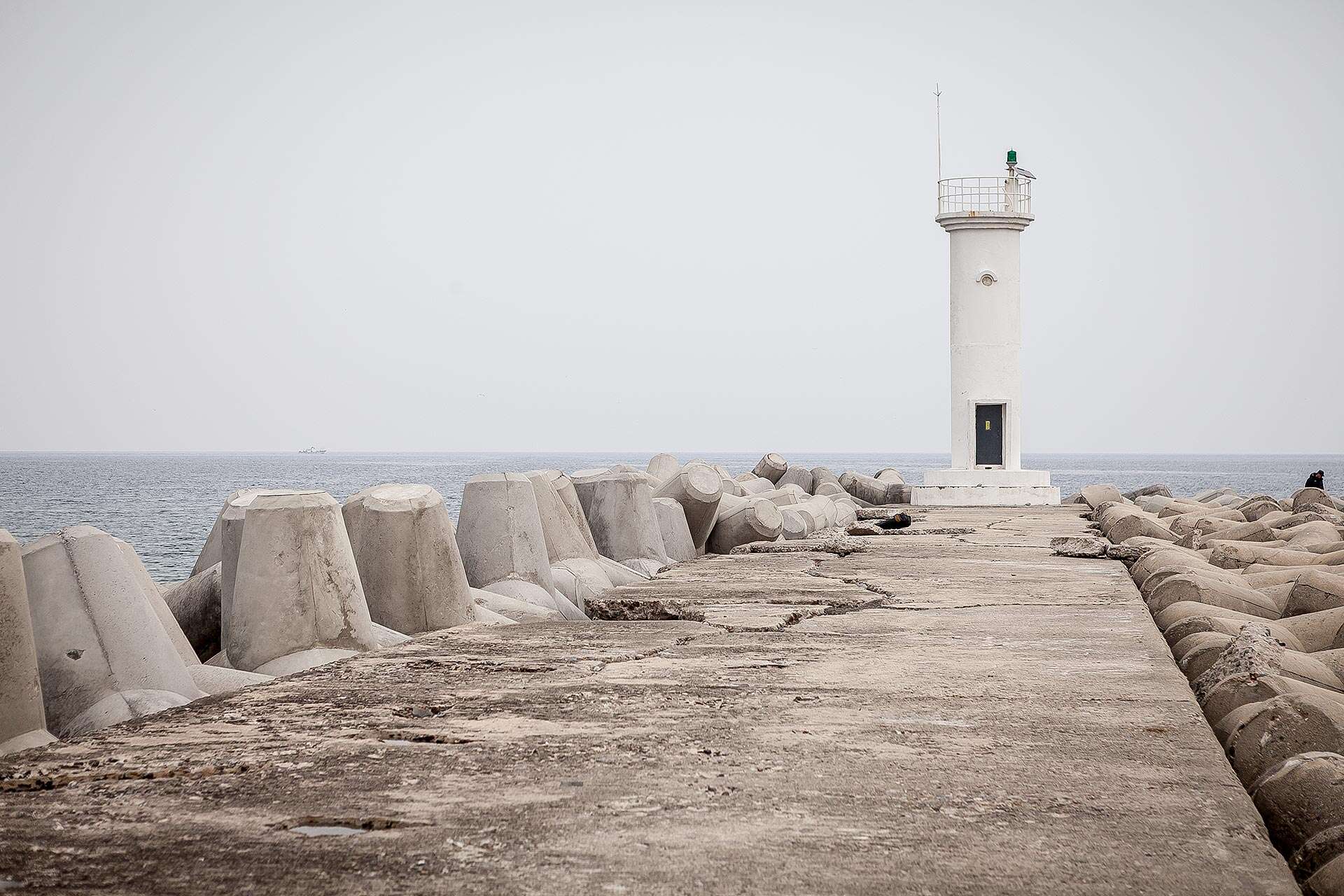
Located near Gyeongpodae Pavilion, many visitors stop by Sacheon Port after visiting Gyeongpodae, making it more of a tourist port than a typical fishing village. From outside the southern breakwater, you can see the Gyeongpodae coastline. There is a small fish market, but it does not operate daily.
At the Sacheon Yacht Stadium, used as a training ground for the Gangneung City Hall yacht team, national yacht athletes train and youth yacht academies are held, creating a spectacular view of yachts lined up across the sea. At the scallop direct sales center, you can purchase fresh shellfish at reasonable prices. Nearby are the site of Aeildang Pavilion and a literary monument dedicated to Heo Gyun, along with the scenic Gyeongpo Beach.